What Does Your Check Engine Light Mean? A York, PA Driver's Guide
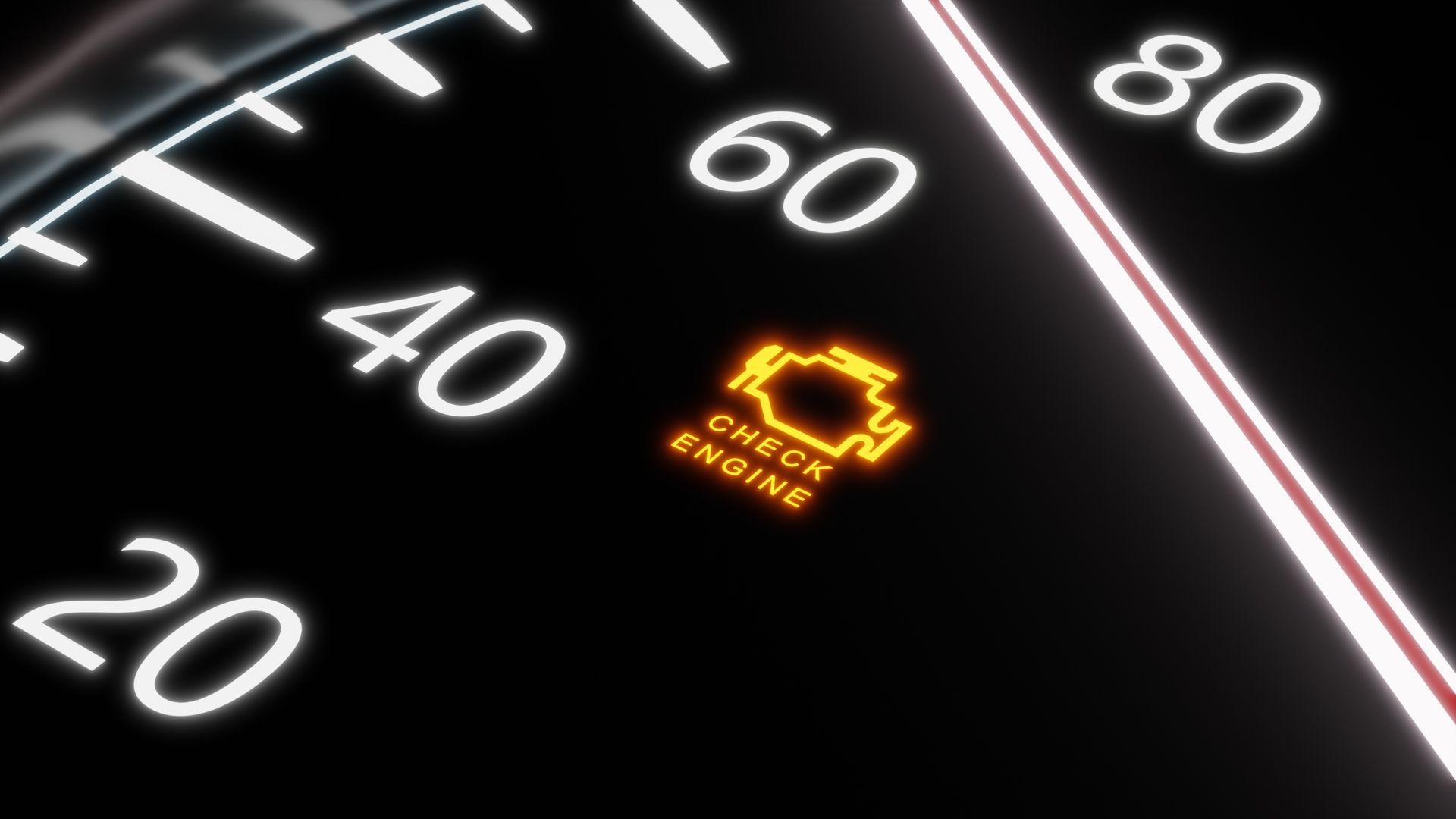
Short answer: A check engine light means your vehicle's onboard diagnostic system has detected a problem. A steady light usually signals a non-urgent issue that should be checked soon. A flashing light signals an active engine misfire that can cause expensive damage, so reduce speed and have the vehicle inspected right away.
Few dashboard lights cause more worry than the check engine light. It can appear for something as minor as a loose gas cap or as serious as a failing sensor or ignition component. The good news is that the light is designed to give you information. Understanding what it is telling you makes the next step much clearer.
At C. R. Smith Radiator & Auto Repair, we diagnose check engine lights for drivers across York, Dallastown, Dover, Spring Grove, and the surrounding area. Here is what you need to know.
How the Check Engine Light Works
Modern vehicles sold in the United States use an onboard diagnostic system, commonly called OBD-II, to monitor the engine, emissions controls, and related systems. When a sensor reads a value outside its expected range, the system records a trouble code and turns on the light. A technician uses a scan tool to read that code and begin the diagnosis.
It is important to understand that a trouble code points to the system that reported the problem, not always the exact part that failed. A code related to a misfire, for example, could be caused by a spark plug, an ignition coil, a fuel delivery issue, or a vacuum leak. Proper diagnosis involves testing, not just replacing parts based on the code alone.
Steady Light vs. Flashing Light
A steady check engine light means the system has detected a fault that does not pose an immediate threat to the engine. You should still have the vehicle diagnosed promptly, because small problems often grow into larger and more expensive repairs. Watch for changes in performance, such as rough idling, reduced fuel economy, hesitation, or unusual noises, and make your appointment sooner if you notice any of them.
A flashing check engine light is different. It usually indicates an active engine misfire, meaning fuel is not burning properly in one or more cylinders. Unburned fuel can overheat and damage the catalytic converter, which is an expensive component to replace. If the light is flashing, ease off the accelerator, avoid hard acceleration and heavy loads, and get the vehicle inspected as soon as you can. Do not wait for the problem to resolve on its own.
Common Causes of a Check Engine Light
The list of possible causes is long, but several issues show up often. A loose, damaged, or missing gas cap can allow fuel vapors to escape and trigger an evaporative emissions code. Oxygen sensors, which monitor the air-fuel mixture, wear out over time and are a frequent cause of the light. Spark plugs and ignition coils can fail and cause misfires. A vacuum leak, a dirty or failing mass airflow sensor, an EVAP system leak, and a failing catalytic converter can also turn the light on. In some cases, a weak battery or charging problem can trigger a fault as well.
Can You Keep Driving With the Light On?
Often, a steady light means the vehicle is still safe to drive for a short time, but that is not a reason to ignore it. A flashing light calls for immediate caution, as described above. Either way, the faster you get a diagnosis, the more likely you are to avoid a bigger repair bill.
Why Clearing the Code Is Not a Fix
Some drivers disconnect the battery or use a basic code reader to turn the light off and hope the problem goes away. This may make the light disappear for a while, but the underlying fault is still there. The light may come back, and the vehicle's emissions readiness monitors may be reset, which can cause a failed state inspection in areas where emissions testing applies. A lit check engine light can also cause a failed inspection on its own, so it is best to have the cause identified and repaired.
A Quick Tip About Your Gas Cap
If the check engine light came on after you refueled, check the gas cap first. Make sure it is tightened until it clicks, and inspect the rubber seal for cracks or wear. A loose cap is an easy fix, but the light may not turn off immediately. Depending on the vehicle, it can take several days of normal driving before the system confirms the repair and the light goes out.
Frequently Asked Questions
Will the check engine light turn off by itself?
Sometimes it does, especially if the fault was intermittent or caused by a temporary condition such as a loose gas cap. However, the system may have simply stopped detecting the problem for now. If the light returns or stays on, have it diagnosed.
Does a check engine light mean my car is about to break down?
Not necessarily. Many check engine lights are caused by inexpensive, non-urgent issues. Only you and a technician can judge the urgency, which is why a proper diagnosis matters more than guessing.
Can I get the code read for free?
Many auto parts stores will read basic trouble codes at no charge. A code reading tells you what the system reported, but it does not replace a full diagnosis, which includes testing to confirm the root cause before any parts are replaced.
Is a check engine light the same as a state inspection failure?
No, but they are related. A check engine light is an active warning from the vehicle's computer. An emissions-related inspection may fail if the light is on or if the system is not ready. Repairing the underlying problem before your inspection is the most reliable path.
Get Your Check Engine Light Diagnosed in York, PA
If your check engine light is on, schedule a diagnostic scan with the certified technicians at C. R. Smith Radiator & Auto Repair. We serve drivers in York, Dallastown, Dover, Spring Grove, and nearby communities. Call (717) 792-9912 or visit us at 2515 W Market St, York, PA 17404. We are open Monday through Friday, 8:00 am to 5:00 pm, and we are happy to help you understand what your vehicle is telling you.