Radiator & Cooling System Warning Signs: When Your Car Needs Service in York, PA
Short answer: The most common signs of a cooling system problem are a temperature gauge running hot, a colored, sweet-smelling puddle under the car, a low coolant warning light, steam from under the hood, and a heater that blows cool air. If you notice any of these, have your cooling system checked before a small problem becomes an engine repair.
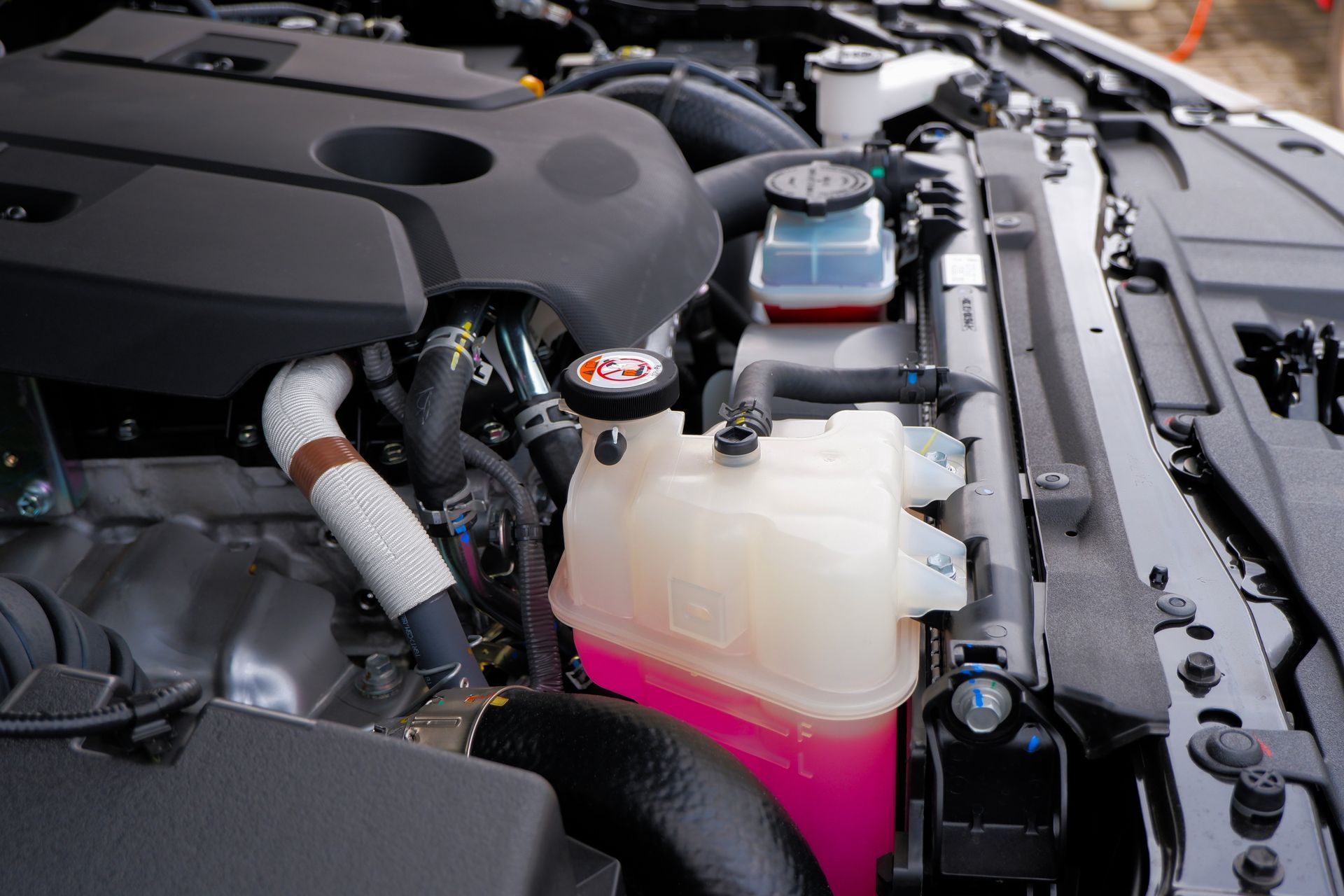
Your engine produces an enormous amount of heat every time you drive. The cooling system is what keeps that heat under control. Coolant circulates through the engine, absorbs heat, and carries it to the radiator, where airflow across the fins releases it. A thermostat regulates the flow, a water pump keeps the coolant moving, and a pressure cap keeps the system sealed so the coolant can carry heat effectively.
When any part of that system begins to fail, the engine can overheat quickly. At C. R. Smith Radiator & Auto Repair, we see drivers throughout York, Dallastown, Dover, Spring Grove, and the surrounding communities who wait too long to act. Here are the warning signs to watch for.
Six Warning Signs Your Cooling System Needs Attention
1.The temperature gauge climbs into the red or swings up and down
Most vehicles have a temperature gauge on the dashboard. Under normal driving, the needle sits near the middle. If it rises toward the red zone, or it moves up and down unexpectedly in traffic, the cooling system may not be removing heat properly. Pull over and let the engine cool before you continue.
2.Colored puddles under the front of the vehicle
Coolant is usually green, orange, pink, or blue, and it has a distinctly sweet smell. Spots under the front of your car are a strong sign of a leak in the radiator, hoses, water pump, or a connection. Even a small leak can lead to overheating once the level drops far enough.
3. The low coolant warning light or a dropping reservoir level
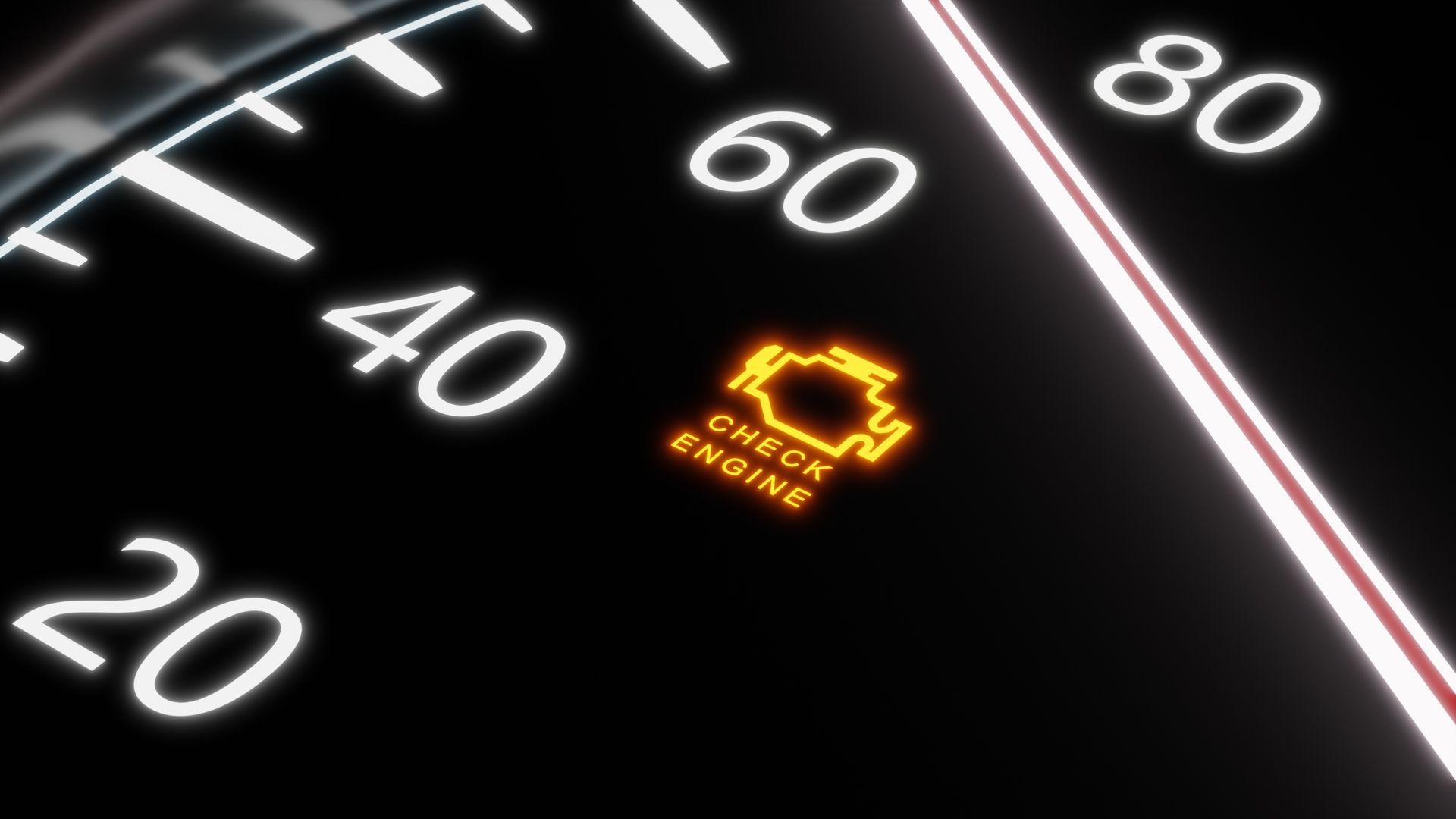
If your dashboard warning light comes on, or the coolant level in the overflow reservoir keeps falling between checks, you have a leak or another problem. Topping off the coolant is not a fix. The fluid has to go somewhere, and a technician needs to find out where.
4. Steam or a sweet smell from under the hood
Steam rising from the engine bay, especially after you park, usually means coolant is escaping onto hot engine parts. A sweet odor inside the cabin can also point to a heater core leak, which is worth having checked promptly.
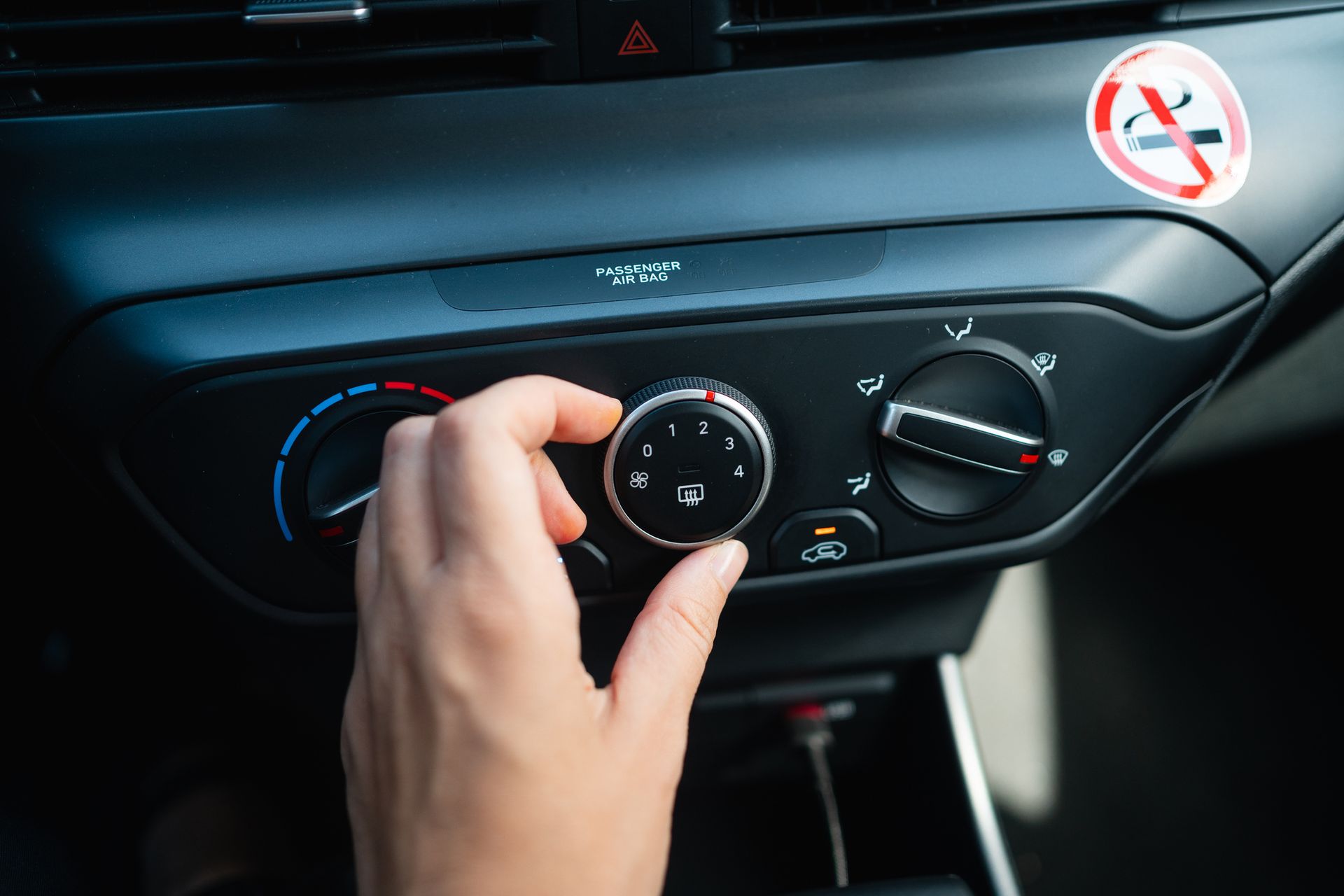
5. The heater blows cool air
Your heater uses hot coolant from the engine. If the heater runs cold, or only works on certain settings, the system may be low on coolant, have air trapped inside, or have a thermostat stuck open. A heater problem can also be an early sign of an overheating issue that is still developing.
6. Visible radiator damage or dirty coolant
Bent or crushed fins, cracks in the plastic end tanks, and corrosion around the core all reduce cooling capacity. Coolant that looks rusty, brown, or muddy has lost its protective additives, which means internal parts are beginning to corrode.
What to Do If Your Car Starts to Overheat
If the temperature gauge rises or you see steam, take these steps. Turn off the air conditioning and turn the heater on to its highest setting. This pulls heat away from the engine into the cabin and can buy you a few minutes to find a safe place to stop. Pull over as soon as it is safe, turn off the engine, and open the hood to let heat escape.
Wait until the engine is completely cool before you touch the radiator cap. Opening a hot cap can release pressurized, scalding coolant and cause serious burns. Once the engine has cooled, check the coolant level. If you need to add fluid, use the coolant type your vehicle requires, or water as a temporary measure only if you cannot get the correct coolant right away. Then have the vehicle inspected before you drive any distance.
Why Regular Coolant Service Matters
Coolant does more than prevent freezing and boiling. It contains additives that protect the metal inside your engine and radiator from rust and corrosion. Over time, those additives break down, and the fluid becomes acidic and less effective. Old coolant can contribute to radiator clogs, water pump failure, and damage to gaskets and other engine components.
The correct service interval depends on your vehicle and the type of coolant it uses, so the best place to start is your owner's manual. Many vehicles need coolant service every few years or after a set number of miles. A cooling system inspection during a routine oil change or brake service is a simple way to catch problems early.
Radiator Repair or Replacement: What to Expect
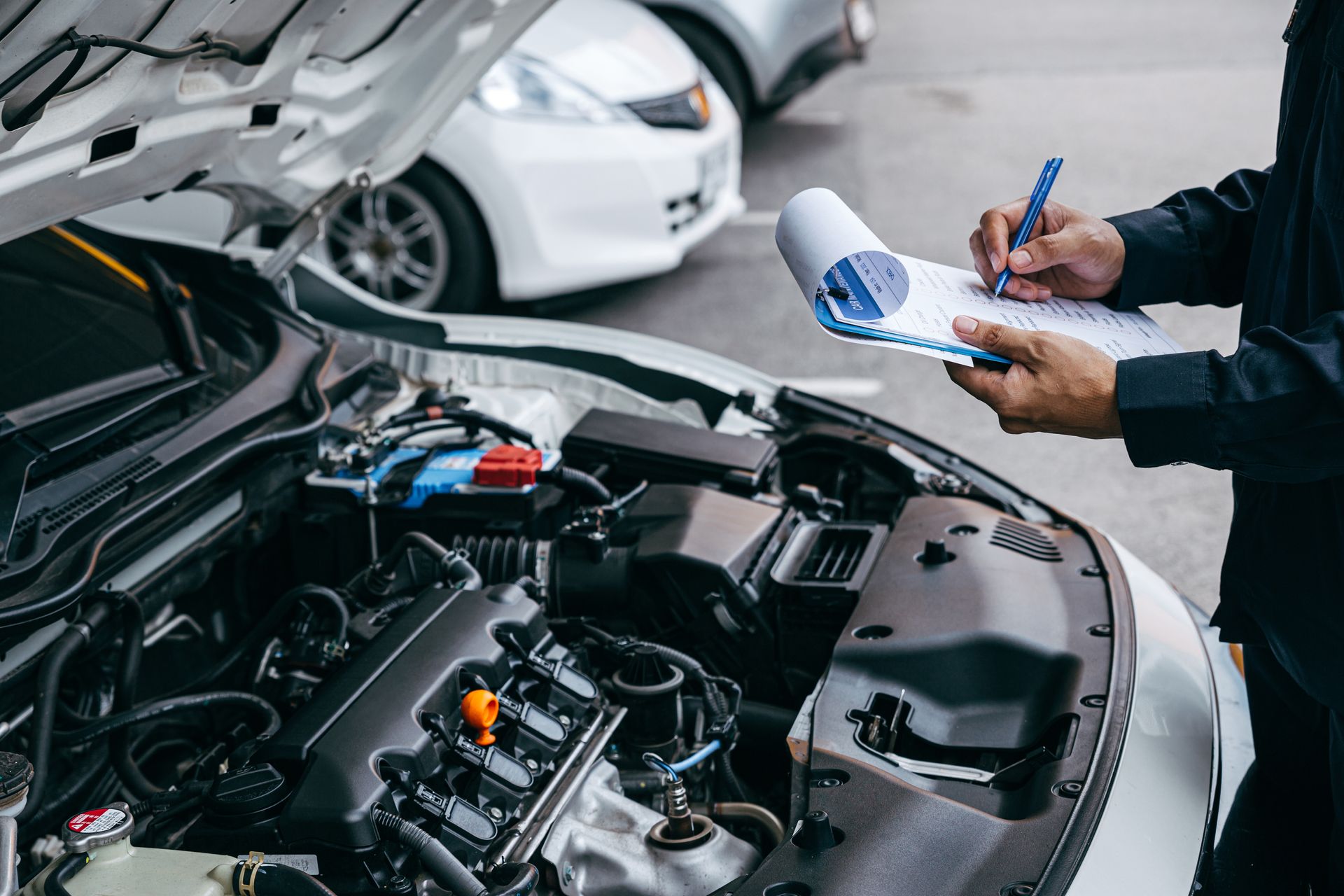
Not every radiator problem requires a new radiator. Small leaks, loose hoses, and a failed thermostat can often be repaired without major cost. Severely corroded cores, cracked tanks, and radiators damaged in a collision usually need replacement. A proper diagnosis includes a pressure test to find the source of a leak, a check of the thermostat and water pump, and an inspection of the coolant condition.
Our shop handles radiator service for passenger cars, heavy-duty trucks, and antique vehicles. Whatever you drive, the goal is the same: a cooling system that keeps your engine at a safe operating temperature.
Frequently Asked Questions
Can I keep driving with a coolant leak?
It is not recommended. A leak can drop the coolant level quickly, and an engine that overheats can suffer damage that is far more expensive than the original leak. If you must drive, check the coolant level before each trip and keep a close eye on the temperature gauge, but schedule a diagnosis as soon as possible.
Is it safe to use water instead of coolant?
Water can get you to a repair shop in an emergency, but it lacks the boiling protection, freezing protection, and corrosion inhibitors that coolant provides. Plan to have the system flushed and refilled with the correct coolant after an emergency top-off.
How do I know if my radiator cap is bad?
A worn cap may not hold pressure correctly, which can allow coolant to boil at a lower temperature. Signs include a rising temperature gauge, coolant loss without a visible leak, and a cap with cracked seals or a weak spring. A technician can test the cap quickly during a cooling system inspection.
Why does my heater stop working in winter?
Low coolant, trapped air, or a stuck-open thermostat are common causes. Because the heater relies on engine heat, a cooling problem often shows up as weak heat first. Have it checked rather than waiting for the problem to get worse.
Schedule Cooling System Service in York, PA
If you have noticed any of these warning signs, do not wait for the next overheating event to act. The team at C. R. Smith Radiator & Auto Repair provides radiator diagnostics, repair, and replacement for drivers in York, Dallastown, Dover, Spring Grove, and nearby communities. Call (717) 792-9912 or visit us at 2515 W Market St, York, PA 17404 to schedule your appointment. Our shop is open Monday through Friday, 8:00 am to 5:00 pm, and we are happy to answer your questions by phone.